RASSEA, in collaboration with PhilEASNet, Hosts Regional Knowledge Exchange on Agricultural Innovation
The 4th Biennial Meeting of RASSEA 2025, 26 September 2025
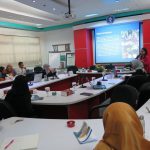
The RASSEA Forum, in collaboration with PhilEASNet, brought together eight distinguished speakers and a diverse group of participants from across Southeast Asia to discuss the future of rural advisory services and lifelong learning for agricultural innovation in the digital era. Hosted virtually by the Regional Advisory Services Southeast Asia (RASSEA), the event served as a platform for knowledge exchange, collaboration, and strategic dialogue.
The forum opened with housekeeping and introductions led by Mr. Jim Leandro P. Cano, Co-founder of Go Eden Philippines and Board Member of PhilEASNet. Formal acknowledgments were followed by Dr. Ranny Chaidirsyah, Deputy Chairperson of RASSEA, and welcome remarks were delivered by Dr. Siti Amanah, Chairperson of RASSEA, and Prof. Dr. Rowena DT. Baconguis, President of the Philippine Extension Rural Advisory Services Network, Inc.

Dr. Rasheed Sulaiman, Director of the Centre for Research on Innovation and Science Policy (CRISP), India, delivered a compelling keynote address. He explored the digital landscape in the Asia-Pacific region, noting that 77% of the population uses mobile phones and 66% accesses the internet. His presentation highlighted: The persistent digital divide, including urban-rural and gender. The evolution of digital extension tools—from SMS to AI applications. Benefits and limitations of digital advisory services: Emerging technologies such as AI-powered systems, IoT, and the enduring importance of human intermediation in agricultural extension. Dr. Rasheed emphasized that while digital tools offer transformative potential, extension services must remain people-centered, focusing on empowerment, hands-on guidance, and building trust.

Open Forum Highlights
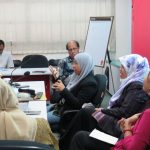
The open forum session of the RASSEA 2025 Biennial Meeting sparked a dynamic exchange of ideas on the future of agricultural extension in the digital era. Participants explored how digital advisory services can better serve small-scale and female farmers, ensuring access to timely information, improved productivity, and stronger market participation—while maintaining inclusivity and affordability.
A key theme was the digital divide in rural areas. Attendees emphasized the role of local governments in expanding infrastructure, promoting digital literacy, and ensuring equitable access to technology. Concerns were raised about the long-term risks of digital dependency, particularly the potential for information inequity and reliance on external private platforms.
The role of academia was also discussed, with calls to revise agricultural extension curricula to reflect the realities of digital transformation. Dr. Rasheed Sulaiman highlighted the need for modular learning resources on digital extension, equipping future practitioners with technical and human-centered skills.
The growing threat of cybersecurity risks in agriculture was an important addition to the dialogue. Participants noted that as farming becomes increasingly digital, rural communities face new vulnerabilities such as online scams, data breaches, and misinformation. There was a strong consensus that agricultural extension services must be more active in educating farmers about digital safety. Country Forums were encouraged to develop cyber hygiene initiatives, build awareness, and protect farmers from emerging digital threats.
The Plenary Session (Dr. Remelyn R. Recoter)
The plenary session began with an introduction by Ms. Antonieta J. Arceo, Deputy Director of the Agricultural Training Institute, followed by a presentation from Dr. Remelyn R. Recoter, Director of the Agricultural Training Institute. Her talk focused on institutional strategies to strengthen extension systems and promote inclusive innovation. She is present about their digital innovations, including the Digital Farmers Program, e-learning platforms, and various applications to help farmers.

In the Plenary Session, participants focused on how digital technologies can enhance agricultural extension services while acknowledging real-world barriers such as infrastructure gaps and digital literacy. A central theme was ensuring that digital transformation does not exclude small-scale and female farmers.
A notable example discussed was the Digital Farmers Program (DFP), which aims to address challenges related to oversupply of production and price monitoring of crops. The program helps farmers make informed decisions by providing real-time data, market insights, and digital tools for planning and coordination. DFP was highlighted as a promising model for improving productivity and market access while promoting affordability and inclusivity.
The forum concluded with a shared commitment to building resilient, adaptive, and equitable extension systems that leverage digital innovation without losing the human touch.

During the closing session of the RASSEA 2025 Biennial Meeting, Prof. Dr. Rowena DT Baconguis delivered the final remarks prepared by Dr. Virginia R. Cardenas, RASSEA Adviser. They retired professor from the College of Public Affairs and Development.
Dr. Virginia was unable to attend due to her husband’s recent passing. In a moment filled with empathy and solidarity, Prof. Rowena read the heartfelt message, which emphasized the importance of regional collaboration, inclusive innovation, and the continued commitment to strengthening agricultural extension services across Southeast Asia.
Access Materials Speaker materials and session resources are available for download:
👉 Google Drive Link
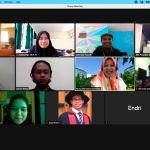
The forum concluded with a group photo and renewed commitment to advancing agricultural innovation through inclusive, collaborative, and digitally empowered extension services.




Recent Comments